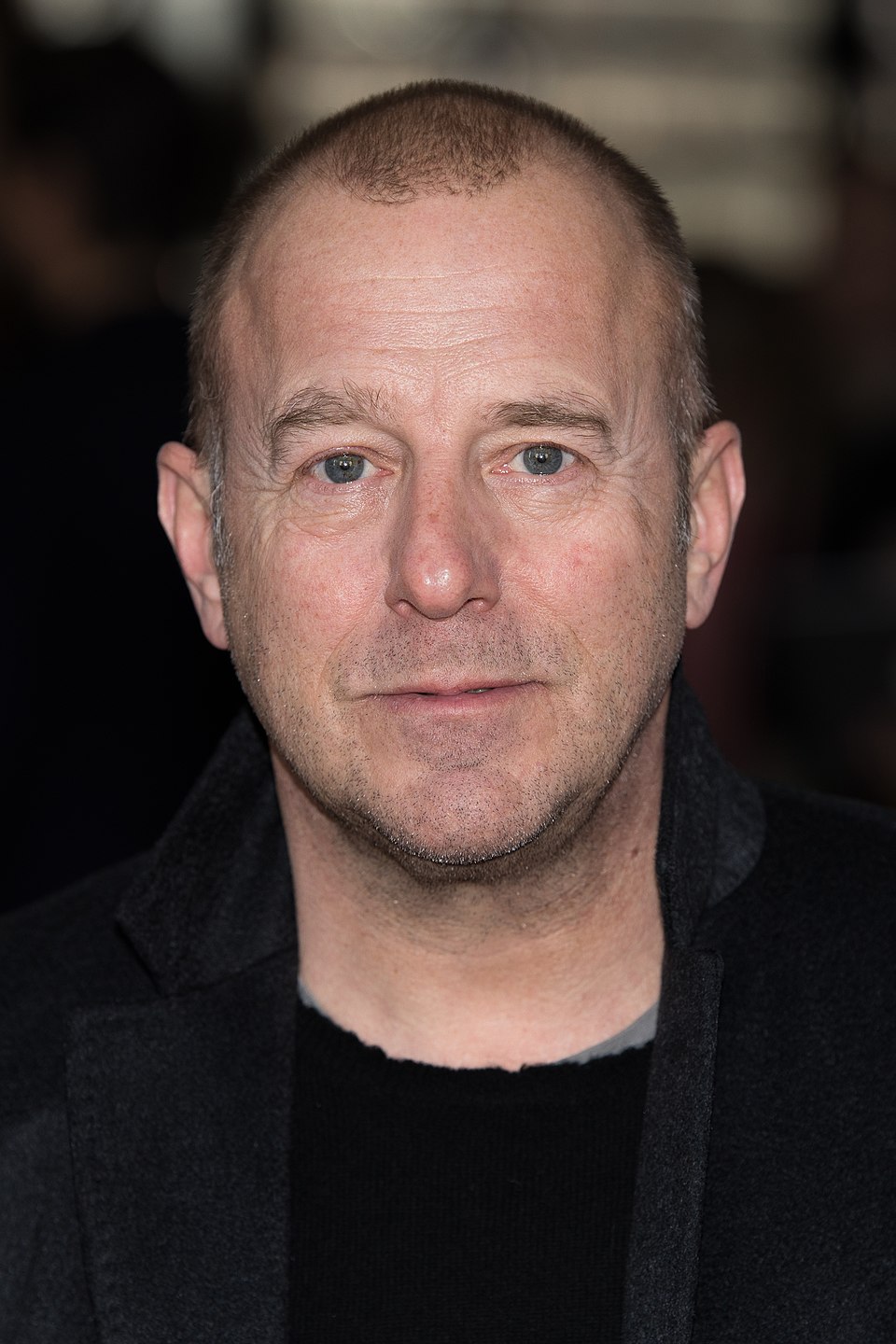
Heino Ferch: From Young Gymnast to Germany's Acting Icon
For countless fans across Germany and beyond, the name Heino Ferch is synonymous with powerful performances, versatility, and an undeniable screen presence. Often dubbed the "German Bruce Willis" for his intense gaze and commanding demeanor, Ferch has carved out an illustrious career spanning decades. But for those new to his work or simply curious, a frequent question arises: Wie Alt Ist Heino Ferch? Born on August 18, 1963, Heino Ferch is currently 60 years old and will celebrate his 61st birthday in 2024. His journey from a disciplined young gymnast in Bremerhaven to one of Germany's most respected acting icons is a testament to his talent, dedication, and a relentless pursuit of artistic excellence.
The Formative Years: Discipline, Dance, and Dramatic Arts
Heino Ferch's early life laid a unique foundation for his future career. Hailing from Bremerhaven, the son of a ship's captain, he developed a profound interest in movement and performance from a young age. Far from a conventional path, Ferch immersed himself in the worlds of dance, acrobatics, and ballet. This early passion for physical expression was particularly evident in his time as a member of the Deutscher Turnerbund (German Gymnastics Federation), where he honed the discipline, precision, and physical control that would later become hallmarks of his acting style. The rigorous training of a gymnast, focusing on strength, agility, and spatial awareness, undoubtedly contributed to the grounded and often physically demanding roles he would undertake throughout his career.
His artistic inclinations didn't stop at gymnastics. Ferch broadened his horizons by participating in stage productions at the Stadttheater Bremerhaven, gaining invaluable early experience in front of an audience. Recognizing his multifaceted talents, he pursued formal education at the prestigious Universität Mozarteum in Salzburg, a renowned institution for music, drama, and fine arts. Here, he undertook comprehensive studies in acting, singing, and dance, mastering a diverse skill set that would equip him for a wide array of roles across various mediums. This holistic training distinguishes Ferch, enabling him to bring a unique blend of vocal prowess, physical grace, and deep emotional understanding to his characters.
Upon completing his studies, Ferch made the strategic move to Berlin in 1987, a vibrant hub for theatre. He quickly established himself on the stage, notably at the Berliner Schiller Theater, where he further refined his craft. This extensive grounding in live performance instilled in him a powerful stage presence and a profound understanding of character development, which he would seamlessly translate to the silver screen.
The Rise to Stardom: Defining Roles and Critical Acclaim
Heino Ferch's transition from stage to screen began in the late 1980s. His film debut came in 1988 with "Schloss Königswald," followed by a leading role in "Wedding" a year later. However, it was his unforgettable performance in the 1997 film "Comedian Harmonists" that truly marked his breakthrough, captivating audiences and critics alike and establishing him as a major force in German cinema. This role showcased his ability to blend comedic timing with dramatic depth, setting the stage for a series of iconic performances.
The turn of the millennium cemented Ferch's status as a leading man. He became internationally recognized for his intense portrayal of Ronnie in Tom Tykwer's cult classic "Lola rennt" (Run Lola Run) in 1998, a film lauded for its innovative narrative and pulsating energy. This was swiftly followed by his gripping lead role as Harry Melchior in "Der Tunnel" (2001), a powerful historical drama that showcased his ability to convey resilience and determination under extreme pressure. He continued to impress with a memorable turn as Albert Speer in the critically acclaimed "Der Untergang" (Downfall) in 2004, and his involvement in "Der Baader Meinhof Komplex" (2008) further highlighted his versatility in tackling complex historical narratives.
Beyond German productions, Ferch also ventured into international television, notably appearing alongside Christian Clavier in the 2002 television miniseries "Napoleon," demonstrating his appeal beyond national borders. His ability to embody a diverse range of characters, from historical figures to contemporary heroes, has made him a go-to actor for directors seeking intensity and nuanced performances.
His exceptional talent has not gone unnoticed by the industry. Heino Ferch has been honored with numerous accolades throughout his career, including the prestigious Bayerischer Filmpreis in 1997, two Bambi-Prizes, and a Goldene Kamera award. These awards are a testament to his consistent excellence and significant contributions to German film and television. For a more detailed look at his impressive filmography and award history, you might be interested in our article: How Old is Heino Ferch? A Deep Dive into His Career & Awards.
Beyond the Screen: Personal Life, Passions, and Enduring Legacy
While Heino Ferch's professional life has been prominently in the spotlight, his personal life also reflects a journey of growth and family building. His relationships have been part of his public narrative, including a nearly decade-long partnership with German film actress Suzanne von Borsody in the 1990s.
Later, Ferch entered a relationship with Dr. Julia von Pufendorf, and the couple welcomed their daughter, Louisa, in 2000. Some years thereafter, he married his current wife, Marie-Jeanette Steinle. Marie-Jeanette is a renowned equestrian, and their shared passion for horses has become a significant aspect of their lives. Together, they have two children: daughter Ava, born in 2008, and son Gustav, born in 2013. This blend of a demanding acting career with a rich family life highlights Ferch's ability to balance his public persona with his private commitments.
Indeed, Ferch's personal interests extend beyond the traditional hobbies one might associate with an actor. He is an enthusiastic horseman and a dedicated polo player, actively participating in tournaments. These pursuits demand not only physical prowess but also strategic thinking, teamwork, and a deep connection with animals – qualities that subtly inform his disciplined approach to acting. His love for riding and polo is more than just a pastime; it speaks to his competitive spirit and his appreciation for challenges, mirroring the intensity he brings to his roles.
Heino Ferch's enduring presence in German entertainment, coupled with his remarkable range and unwavering dedication to his craft, solidifies his status as a true acting icon. From his beginnings as a young gymnast, through his rigorous classical training, to his celebrated roles in both critically acclaimed and popular films, Ferch has consistently delivered performances that resonate with audiences. His ability to delve into complex characters, bringing them to life with authenticity and intensity, is a testament to his profound talent. To learn more about the multifaceted aspects of his life, including his age, major films, and detailed family life, consider reading our related article: Heino Ferch: Age, Key Films, and Family Life of the German Star.
Tips from a Veteran: The Ferch Formula for Success
Looking at Heino Ferch's career, one can identify several factors that contribute to his longevity and iconic status. For aspiring actors or anyone seeking sustained success in a creative field, his journey offers valuable insights:
- Embrace Versatility: Ferch's training in acting, singing, and dance, combined with his physical background in gymnastics, allowed him to tackle diverse roles across theatre, film, and television. Never limit yourself to one genre or typecast.
- Prioritize Training and Continuous Learning: His extensive education at Mozarteum and early stage work provided a strong foundation. Even as an established actor, the commitment to understanding and embodying new characters suggests an ongoing learning process.
- Seek Challenging Roles: Ferch isn't afraid of complex or historically significant characters. Taking on roles that push your boundaries is crucial for growth and demonstrating depth.
- Maintain Discipline and Passion: His dedication to physical activities like riding and polo reflects a disciplined mindset that undoubtedly extends to his professional work. Passion for the craft, coupled with rigorous discipline, is a powerful combination.
- Develop a Strong Stage Presence: His early theatre work cultivated a commanding presence that translates powerfully to the screen, allowing him to dominate scenes without overacting.
These elements combined illustrate why Ferch remains relevant and celebrated, continuing to captivate audiences with each new project. His career exemplifies that true artistry often stems from a blend of innate talent, relentless hard work, and a continuous desire to evolve.
Conclusion
Heino Ferch's journey from a promising young gymnast to an undisputed German acting icon is a compelling narrative of talent, dedication, and artistic evolution. Born on August 18, 1963, his career has been marked by memorable performances in pivotal German films and international television, earning him critical acclaim and numerous prestigious awards. Beyond the glare of the camera, his commitment to family and passions like equestrianism underscore a well-rounded individual whose depth informs his screen presence. As he continues to grace screens with his compelling portrayals, Heino Ferch remains a powerful and respected figure in the world of entertainment, leaving an indelible mark on German cinema and inspiring a new generation of performers. His legacy is one of unwavering professionalism, profound versatility, and an enduring commitment to the art of acting.